After Cancer, Skin Still Needs to Heal
For many survivors, finishing cancer treatment is not the end of the story. It’s the beginning of recovery. And for some, one of the most visible parts of that recovery is the skin.
After chemotherapy, radiation, or immunotherapy, it’s common to experience long-term skin changes—dryness, sensitivity, pigmentation shifts, or slower healing. These aren’t just cosmetic concerns. They’re part of a broader picture of post-cancer recovery and survivorship.
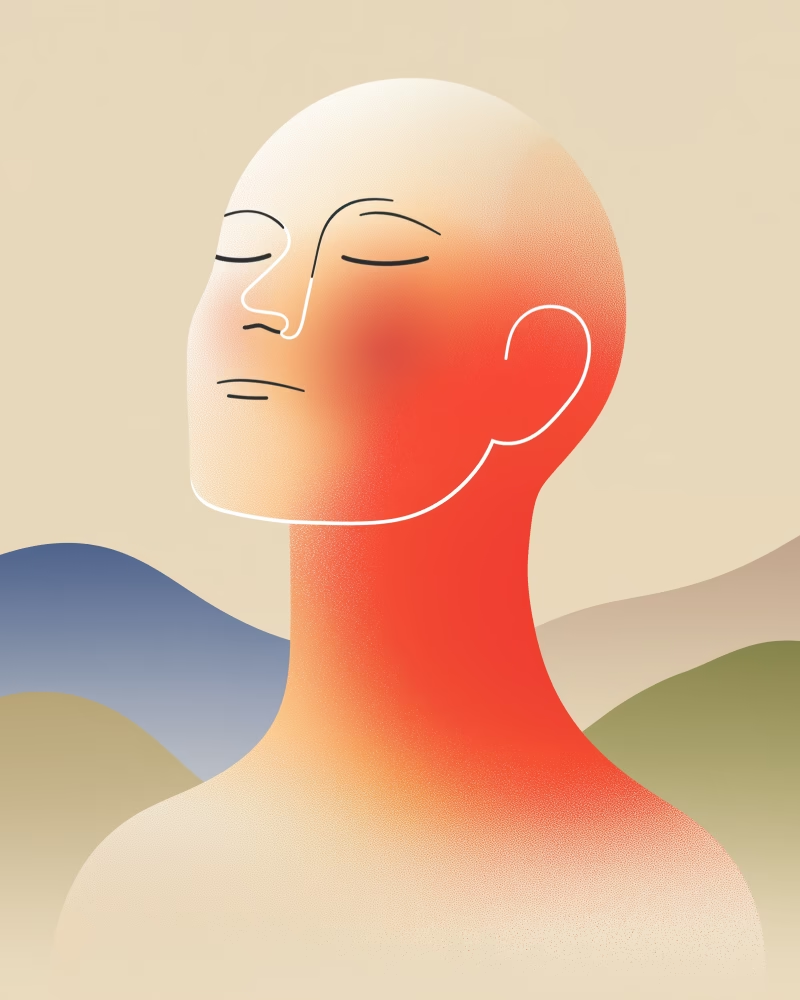
A recent 2026 review on post-oncologic skin health highlights something important: skin recovery after cancer care should not be treated as a cosmetic afterthought. It should be considered part of survivorship medicine.
This shift in thinking matters. Because for many cancer survivors, skin health directly affects comfort, mobility, confidence, and overall quality of life. In other words, post-cancer skin recovery is not just about appearance—it’s about how you feel in your body.
Why Skin Changes Happen After Cancer Treatment
Different cancer treatments affect the skin in different ways.
Chemotherapy may disrupt skin barrier function and lead to persistent dryness and irritation. Radiation can cause long-term changes like fibrosis, pigmentation shifts, and reduced elasticity. Immunotherapy and targeted therapies can trigger inflammatory or immune-related skin conditions.
The study describes these as different “skin signatures”—patterns of change that reflect the underlying biological impact of each treatment. This is why a personalized approach to skin recovery is so important.
Supporting Skin Recovery at a Cellular Level
At RegenClinic, we approach skin health the same way we approach everything else: from the inside out. Red light therapy (photobiomodulation) is one tool we use to support post-cancer skin recovery. Research suggests it may help:
Reduce inflammation in sensitive or damaged skin
Support mitochondrial function and cellular energy (ATP production)
Ease oxidative stress, which can slow healing
Rather than acting as a surface-level treatment, red light therapy works deeper—helping create a better internal environment for the skin to repair and stabilize over time.
A Holistic Approach to Skin Rehabilitation
Because post-oncologic skin health is complex, the best results often come from combining therapies. At RegenClinic, this may include:
Targeted red light therapy for specific areas of concern
Laser acupuncture to support localized healing and circulation
Traditional Chinese Medicine (TCM) to address systemic imbalances and support overall recovery
Supportive skincare focused on barrier repair and microbiome balance
This integrative approach reflects a broader philosophy: healing is rarely one-dimensional. And, what we’re seeing is that post-cancer care is expanding. It’s no longer just about survival. It’s about quality of life, long-term recovery, and supporting the body as it rebuilds.
🌿
If you’re navigating skin changes after cancer treatment, or looking for a more holistic approach to skin health, there are options worth exploring.
Call or text us at 250-208-4218
Email: hello@regenclinic.ca