Autism, sleep, and the quiet power of steadier nights
Autism is complex. It affects how the nervous system processes the world, how the body regulates stress, how sleep unfolds, and how daily routines take shape. And because autism looks different in every person, support can sometimes feel either too generic or too clinical.
At RegenClinic, we want to be clear about one important thing from the start: red light therapy does not cure autism. But emerging research and clinical experience suggest it may help support certain high-impact symptoms—particularly sleep, regulation, and nervous system balance. And when those foundations improve, the effects can extend far beyond the individual to the entire family.
We’ve seen this firsthand.
One of our patients is four years old and lives with autism. After several weeks of consistent care, the most noticeable change was sleep. As sleep became more stable, other changes followed: improved focus, better emotional regulation, and a calmer household overall. Autism didn’t disappear—but the child’s body became more rested, more regulated, and more resilient.
What autism spectrum disorder is
Autism spectrum disorder (ASD) is a neurodevelopmental condition that begins in early childhood and continues throughout life. It is typically associated with differences in social communication and interaction, as well as repetitive behaviors and restricted interests.
A 2023 scientific review published in Neurology International explains that autism involves multiple overlapping biological systems—not just the brain alone. These include altered brain connectivity, differences in synaptic signaling, inflammation, oxidative stress, and mitochondrial dysfunction (Saleh et al., 2023).
Many people with autism also experience co-occurring challenges such as sensory sensitivities, attention differences, epilepsy, and sleep disturbances. This layered biology helps explain why autism support often needs to be gentle, individualized, and focused on quality of life rather than “fixing” a single issue.
What the research says about red light therapy and autism
The same Neurology International review explores red light therapy as a supportive approach for autism-related symptoms. Red light therapy uses specific wavelengths of light and has a strong safety profile, with no significant adverse effects reported in the literature (Saleh et al., 2023).
The review outlines several mechanisms by which red light therapy may be relevant for autism, including:
• Supporting mitochondrial function and cellular energy (ATP)
• Reducing oxidative stress
• Modulating inflammation
• Influencing brain connectivity and neural signaling
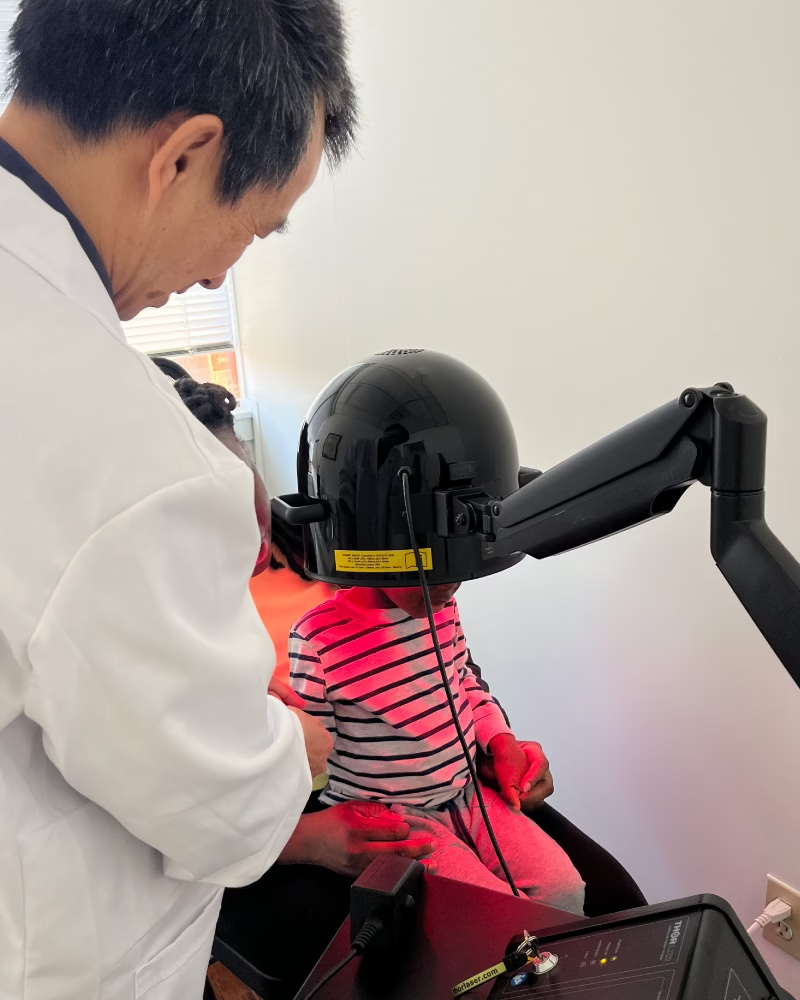
The authors also summarize early clinical findings where transcranial red light therapy (our laser helmet) was associated with improvements in behaviour, social engagement, communication, and reductions in irritability and repetitive behaviours. In some reports, benefits persisted for months after treatment ended.
This research does not suggest a cure. What it does suggest is a promising, low-risk way to support nervous system regulation—especially when care begins early.
Why early support matters
Across many neurological and complex conditions, we see a consistent pattern: earlier intervention often leads to better outcomes. When the nervous system is less entrenched in long-standing patterns, it can respond more quickly to supportive therapies.
This applies to autism as well. A young child’s nervous system is highly adaptable, which may help explain why we often see more noticeable changes in children than in adults. That doesn’t mean support later in life isn’t valuable—it simply means early support can be especially impactful.
Importantly, improving symptoms like sleep can have a cascading effect. Sleep is foundational for focus, emotional regulation, learning, and stress tolerance—for both the child and the family.
What treatment can look like at RegenClinic
At RegenClinic, autism support uses medical-grade THOR Photomedicine equipment alongside experienced practitioners and careful monitoring.
Based on THOR’s autism support protocol, treatment focuses on gentle transcranial light support targeting the temporal cortex and prefrontal cortex—areas involved in communication, regulation, and executive function. Protocols often recommend multiple sessions per week over an initial period, with reassessment and adjustment over time.
A sample approach may include:
• Two sessions per week for six weeks
• Transcranial red light therapy using a helmet-style application
• Laser acupuncture sessions with our practitioner David alongside light therapy, which we’ve found can further support sleep and regulation
Treatment frequency and duration are always tailored to the child’s comfort, tolerance, and response.
🌿 Support for families, not just symptoms
Autism affects individuals—and it also affects parents, siblings, routines, schooling, and family life. We take that seriously.
RegenClinic is not just a place for treatments. It’s a place where complexity is understood, where care is paced thoughtfully, and where families are supported without pressure or unrealistic promises.
Our goal is simple and human: better sleep, steadier days, and improved quality of life.
If you’re exploring supportive options for autism—whether for a young child or an older individual—we’re here to talk through what’s realistic, evidence-informed, and appropriate for your situation.
Call or text us at 250-813-2121
Email: sasha@regenclinic.ca