Rosacea, confidence, and how gentle light calms the skin
Rosacea is one of those conditions that affects far more than the skin. Because it appears on the face, it often becomes a source of embarrassment, stress, or shame—despite being incredibly common and completely normal. Many people tell us they avoid photos, worry about how others perceive them, or feel the need to explain their redness so it isn’t mistaken for something else.
There is also stigma attached to rosacea. Some assume facial redness means someone drinks too much, isn’t clean, or doesn’t take care of their skin. None of this is true. Rosacea is a chronic inflammatory condition with complex, overlapping causes—and absolutely nothing to be embarrassed about.
At RegenClinic, we meet people every week who feel worn down not just by their symptoms, but by the emotional weight of having a condition that’s so visible. Our goal is to help calm both the skin and the stress that comes with it.
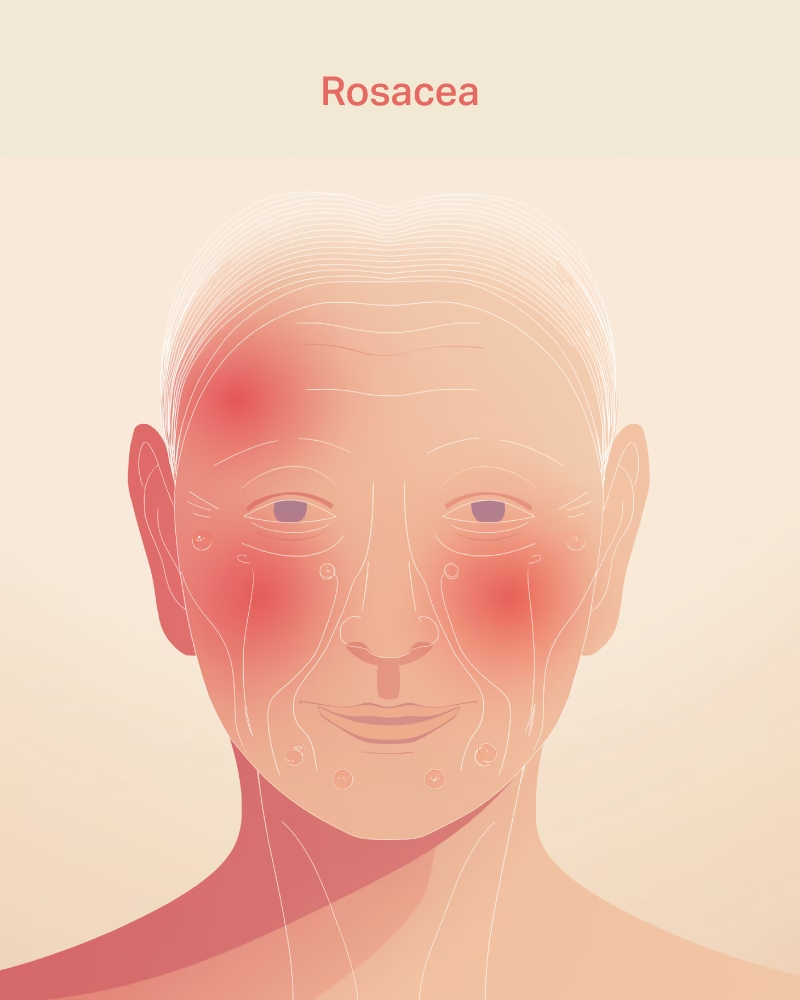
What Rosacea actually is
Modern research shows that rosacea is not a single disease but a mixture of several biological systems working together. A detailed scientific review (PMCID: PMC8200341) explains that flare-ups involve the combined effects of:
• Overactive facial blood vessels that dilate too easily
• Chronic inflammation beneath the skin
• A heightened, overly reactive immune response
• Increased oxidative stress
• A weakened skin barrier that becomes sensitive to products and temperature
• Microorganisms on the skin (such as Demodex mites) contributing to inflammation
This explains why rosacea can look different for everyone: persistent redness, visible blood vessels, acne-like bumps, flushing episodes, heat sensitivity, stinging sensations, or even eye irritation.
It also explains why heat, sun, spicy foods, alcohol, cold weather, stress, or harsh skincare products can trigger sudden flare-ups. These triggers activate already-sensitive pathways in the skin, causing inflammation and redness.
Rosacea is not caused by poor hygiene. It is not contagious. And it is certainly not the person’s fault.
How red light therapy helps
New research is shedding light on supportive, non-invasive approaches for rosacea—particularly red light therapy (also known as photobiomodulation). A 2022 mouse model study (PMCID: PMC9403938) explored how red light affects rosacea-like inflammation. The findings were promising.
Researchers observed:
• A visible reduction in redness
• Fewer inflammatory immune cells in affected skin
• Lower levels of TNF-α, IL-1β, and other inflammatory cytokines
• Reduced oxidative stress
• Improved skin barrier proteins, making the skin more resilient
These improvements matter because they target the deeper processes behind rosacea—not only the surface symptoms. Red light therapy helps calm the skin, reduce reactivity, and support healthier skin function over time.
This aligns with what many RegenClinic patients share: with consistent treatment, redness softens, flare-ups become less disruptive, and their confidence slowly returns.
What treatment looks like at RegenClinic
Our approach to rosacea care is gentle, supportive, and evidence-informed. Treatments typically include:
• Whole-body light therapy to reduce systemic inflammation and oxidative stress
• Localized red light therapy on the cheeks, nose, chin, and forehead
• Consistent sessions two to three times per week for several weeks
• Non-invasive, warm, soothing treatments without chemicals or downtime
Most people describe feeling relaxed, grounded, and noticeably calmer after each session—not only in their skin, but in their overall stress levels as well.
🌿 You deserve comfort—and confidence
Rosacea may be chronic, but it doesn’t have to define your confidence or your quality of life. With the right support, many people find that their skin becomes calmer, their triggers become easier to manage, and their flare-ups lose some of their emotional weight.
If you’re living with redness, flushing, or the social pressure of a visible skin condition, know that you’re not alone. At RegenClinic, you’ll find a team that listens, understands, and offers gentle, research-supported care.
Everyone deserves to feel comfortable in their own skin—and we’re here to help you get there.
Call or text us at 250-813-2121
Email: sasha@regenclinic.ca